Not all value-add opportunities come wrapped in barbed wire and boarded windows. In downtown Raleigh, the next wave of real estate transformation is taking place in plain sight—in aging office buildings, underused parcels, and homes that no longer match the demands of a growing, urban professional population.
This is the frontier of infill redevelopment: where investors with vision—and the right partners—can turn functional obsolescence into profitable assets.
What’s Ripe for Redevelopment in Raleigh Right Now
Downtown Raleigh has entered a new chapter: redevelopment through reuse, repurposing, and reconfiguration.
1. Aging Office Buildings in Prime Locations
Buildings like the Bath Building on Wilmington Street—currently being demolished—are emblematic of the shift. Yesterday’s outdated institutional and office assets are being replaced by flexible-use or open-space concepts. Similar buildings along Fayetteville Street, South Dawson, and even parts of McDowell are now candidates for teardown or conversion as demand shifts toward housing and mixed-use.
The DRA Q1 2025 report confirms a market where Class A office space is holding strong, but older, non-renovated assets are falling out of favor—and ripe for repositioning or redevelopment.
2. Old Retail with Underutilized Frontage
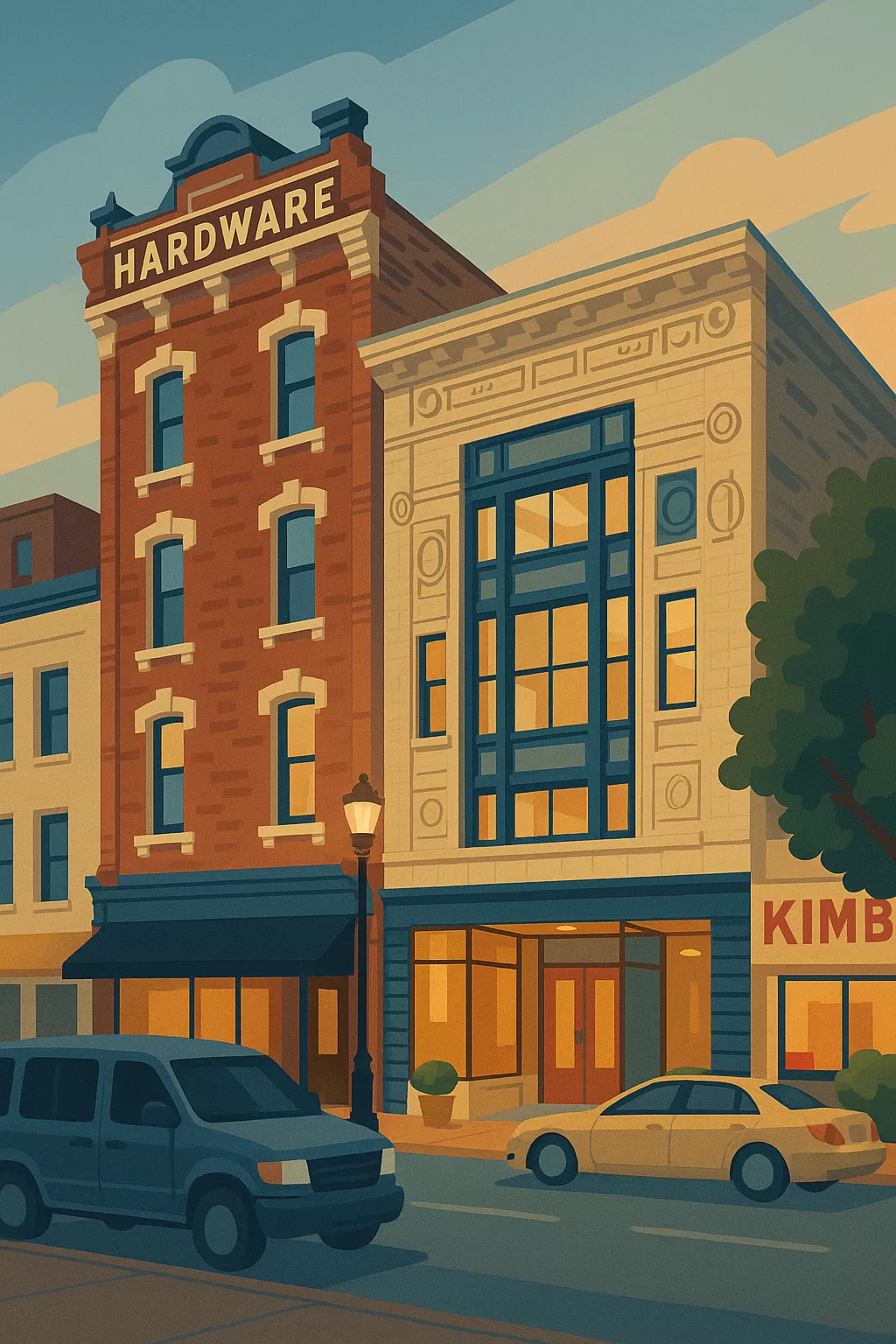
Raleigh’s vintage commercial storefronts—especially in the Moore Square, Warehouse District, and along South Street—are increasingly being eyed for adaptive reuse.
A standout example is the Boylan-Pearce Building at 216 Fayetteville Street. Originally built in the early 1900s, it’s being redeveloped by Empire Properties, the driving force behind many of Downtown Raleigh’s adapted and reused historic properties. Like many of their other projects the Boylan-Pearce Building is being redeveloped into modern retail and office space. The project preserves the building’s architectural charm while reintroducing it to a downtown audience hungry for authenticity and walkable experiences.
3. Legacy Housing and Lot Assemblies on High-Demand Blocks
On the edges of downtown—Boylan Heights, Oakwood, South Park, and along the Hillsborough Street corridor—older single-family homes and outdated industrial buildings are being acquired, combined, and redeveloped into townhomes, small multifamily, or mid and high-rise residential.
These are not simply renovations—they’re complete land-use transformations. Developers are taking advantage of updated zoning overlays to replace one or two units with 6–12 or more, creating new inventory to meet surging demand from professionals who want to rent rather than buy.
4. Repurposed Industrial & Warehouse: From Distribution to Destination
Some of downtown’s most iconic new hotspots were once unremarkable warehouse buildings.
- Morgan Street Food Hall, located in the Warehouse District, transformed a former industrial space into a buzzing hub for food, drinks, and events—a hit with the very demographic moving downtown.
- Transfer Co. Food Hall, on the east side of downtown near Moore Square, took a long-vacant transfer warehouse and turned it into a mixed-use venue with food stalls, co-working space, and event space.
These projects are more than lifestyle plays—they’re proof that even utilitarian buildings can be repositioned into high-yield, multi-tenant experiences that support surrounding property values.
What This Means for Investors
Redevelopment in Raleigh isn’t risky—it’s rational. The macro trends are aligned: people want to live downtown, the city is encouraging density, and the DRA is clearing the runway.
- Rising Demand for Urban Living
As outlined in our previous article, Raleigh’s downtown is attracting young professionals who want access, walkability, and community. That means the demand for well-designed urban housing will only intensify. - Policy and Partnership Tailwinds
The Downtown Raleigh Alliance and City of Raleigh are aligned in their push for infill, adaptive reuse, and catalytic redevelopment. From the Red Hat Amphitheater relocation to the Omni Convention Hotel, large-scale projects are setting new baselines for surrounding property values. - The Infill Advantage
Investors who can reposition older structures or develop on consolidated lots are capturing outsize returns—not just from appreciation, but from cash flow as rents rise alongside demand. - Zoning, Opportunity Zones, and TODs
Much of downtown is covered by zoning overlays and transit-friendly regulations that support redevelopment scale. Bonus: some projects also sit in federally designated Opportunity Zones, adding potential tax advantages.
The next generation of Raleigh real estate opportunity isn’t just about where you build—it’s about what you replace. From outdated office towers to underused retail, legacy homes, and forgotten warehouses, the future of downtown is being built on top of its past.
This isn’t flipping. It’s transformation. And the upside is substantial—for those who move ahead of the crowd.
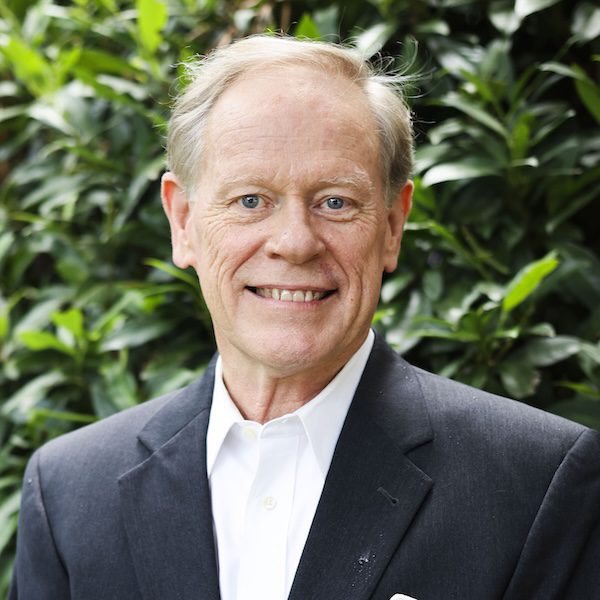
Eddie Coleman, CCIM, is the Principal Investment Officer at NC Capital Group. With over 40 years of experience in Commercial Real Estate in North Carolina and South Carolina, his experience spans multifamily, retail, office, historic adaptation, etc. In addition to advising clients and brokering transactions, he has extensive knowledge of North Carolina through experience in corporate site acquisition, development, capitalization, HUD financing, etc. He holds the prestigious Certified Commercial Investment Member (CCIM) designation.