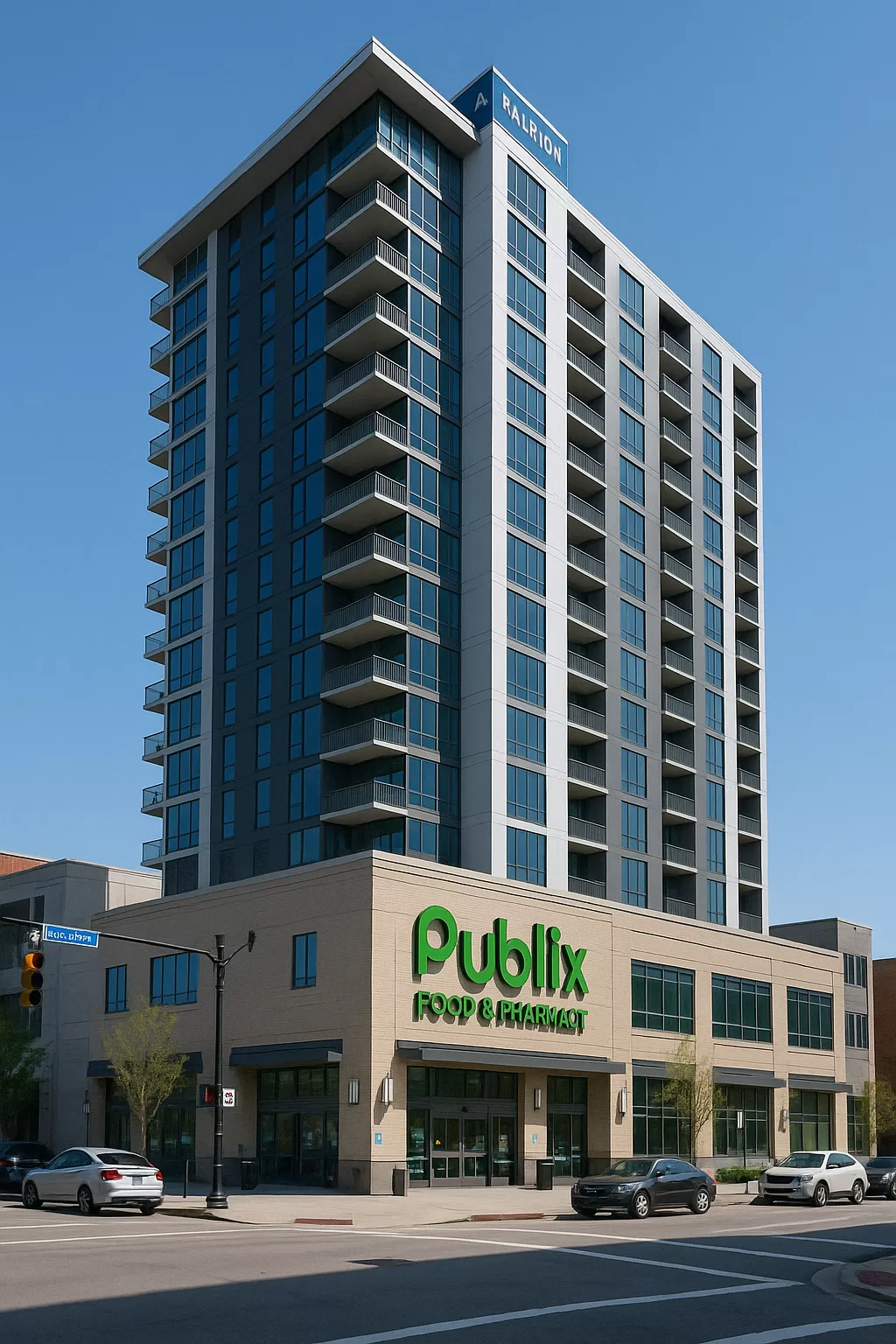
Private equity firms now own 35% of apartment units in Raleigh-Cary, and the recent sale of Peace Street Apartments for $152 million to Cortland has reignited criticism. The story goes: large investors are pushing out locals, jacking up rents, and harming communities. But this narrative, while emotionally charged, misses the larger economic picture.
Private equity isn’t some faceless machine—it’s a structured way for people to pool their money and invest together. In fact, many of the biggest firms like Blackstone, manage capital for public pension funds, including the North Carolina State Employees’ Retirement Fund, Teacher Retirement System of Texas, and others. When Cortland or Blackstone invests in apartments, they’re doing it on behalf of teachers, firefighters, and public employees—people who count on these returns for retirement.
The idea that local buyers are being “squeezed out” oversimplifies the reality of modern real estate. High-quality, high-cost assets like the Peace Street Apartments demand institutional capital, likely $30 to $50 million in cash plus debt. Few individual investors can come up with that kind of funding. Like it or not, large-scale housing development in cities like Raleigh depends on large-scale investment.
But let’s get to the core issue: affordability is a supply problem, not an ownership problem. If we want lower rents, we need more housing. Raleigh’s population is growing fast, and unless we build more apartments—regardless of who owns them—prices will stay high. Demonizing institutional owners won’t produce a single new home.
This isn’t to say all landlords should be off the hook. Tenants deserve protection. Transparency is essential. But responsible institutional owners often bring long-term capital, more professional management, and the ability to build and maintain housing at scale.
Let’s focus on what actually helps people: building more homes, streamlining approvals and regulations while keeping the door open to all forms of responsible capital. Because at the end of the day, private equity isn’t just about big firms—it’s about those millions of Americans who they invest for, many of them are teachers, state employees and others right here in North Carolina.

Eddie Coleman, CCIM, is the Principal Investment Officer at NC Capital Group. With over 40 years of experience in Commercial Real Estate in North Carolina and South Carolina, his experience spans multifamily, retail, office, historic adaptation, etc. In addition to advising clients and brokering transactions, he has extensive knowledge of North Carolina through experience in corporate site acquisition, development, capitalization, HUD financing, etc. He holds the prestigious Certified Commercial Investment Member (CCIM) designation.