
When a global pharmaceutical leader commits three-quarters of a billion dollars to expand in the Triangle, it’s another clear signal of where economic gravity is shifting. Novartis’ announcement—700 new high-paying jobs and more than 700,000 square feet of combined manufacturing and packaging space across Durham and Morrisville—reinforces what many already know: North Carolina’s life-sciences engine isn’t slowing down.
For real-estate investors, these expansions matter. Large, stable employers bring sustained demand for housing, retail, and community services. They don’t chase short-term incentives—they build long-term roots.
What Novartis Announced
Novartis will invest $771 million to expand its U.S. manufacturing footprint in Durham and Wake counties. The plan includes:
- 700 new jobs by 2030, with salaries averaging more than $110,000
- A mix of new construction and the upgrade of existing facilities
- More than 700,000 square feet across multiple sites
- Production capabilities spanning biologics, solid-dose manufacturing, sterile filling, and advanced packaging
This is part of the company’s broader U.S. investment strategy, but the Triangle earned the flagship project—a testament to the region’s competitiveness.
Why the Triangle Keeps Winning These Projects
Global firms don’t spend hundreds of millions of dollars without a strong strategic rationale. The Triangle checks every box:
- A robust talent pipeline from Duke, UNC, NC State, and RTP’s existing biotech workforce
- A mature life-sciences ecosystem that reduces execution risk for complex, regulated manufacturing
- State support, including targeted incentives through the JDIG program
- Nationally recognized business climate, with North Carolina consistently ranked as a top-performing state for talent, infrastructure, and economic growth
For multinational life-sciences companies, the Triangle offers a predictable and scalable foundation—exactly what long-term capital wants.
Population and Talent Migration: The Quiet Force Behind the Numbers
High-salary job announcements like this have second-order effects that ripple through the local economy:
- Top-tier talent moves in, increasing demand for professional and executive housing
- Local services expand to serve a growing workforce
- The region strengthens its position as one of the country’s most dynamic biotech clusters
Durham and Morrisville, already among the strongest life-sciences submarkets in the Southeast, will continue to attract both specialized workers and supporting businesses.
What This Means for Real-Estate Investors
Life-sciences manufacturing projects bring something rare: long-term stability. These are high-capex operations that don’t turn over quickly. Once they’re built, they stay.
For investors, the implications are clear:
- Higher demand for housing—from workforce rentals to executive-level neighborhoods
- Stronger fundamentals for neighborhood retail and grocery-anchored centers, driven by consistent daytime population and disposable incomes
- Lower downside risk, because markets with sustained job growth outperform during slowdowns
- Alignment with NCCG’s thesis: stable, cash-flowing assets in growing North Carolina metros benefit from exactly this kind of economic momentum
When employment is rising—and rising with high-income jobs—real estate fundamentals improve. It’s that simple.
A Continuing Story of Growth
Novartis joins a long list of major life-sciences and advanced manufacturing investments across North Carolina in 2024 and 2025. The Triangle continues to attract companies that could choose anywhere—and increasingly choose here.
For investors, these trends point to a durable and expanding economic base. The formula remains reliable: follow the jobs, follow the people, and the real estate takes care of itself.
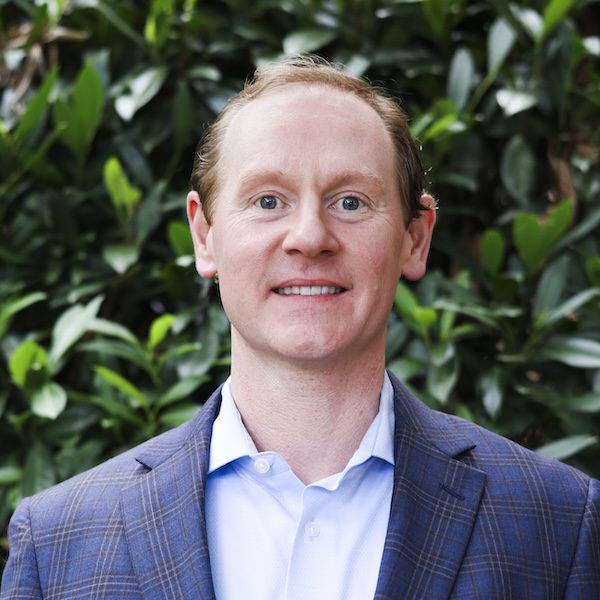
Win Coleman, CCIM, is a graduate of East Carolina University where he received his bachelor’s degree in finance. He holds both North Carolina and South Carolina Real Estate Licenses and was awarded the prestigious CCIM (Certified Commercial Investment Member) designation in 2008.
Win served on the board of directors of The Triangle Apartment Association (TAA) where he co-chaired The Independent Rental Owner’s Council (IROC). He is a member of the International Council of Shopping Centers (ICSC), the Triangle Commercial Association of Realtors (TCAR) and the Raleigh Kiwanis Club.
While a specialist in site identification, evaluation and acquisition for investors and businesses, he also has extensive experience in brokerage, leasing, property management and investment sales.
Win assists in managing The Coleman Group, LLC, which owns a portfolio of investment properties, and he is a member of our acquisitions committee. He has lifelong experience and love for historic properties including the one he restored and where he resides in Historic Oakwood in Downtown Raleigh.