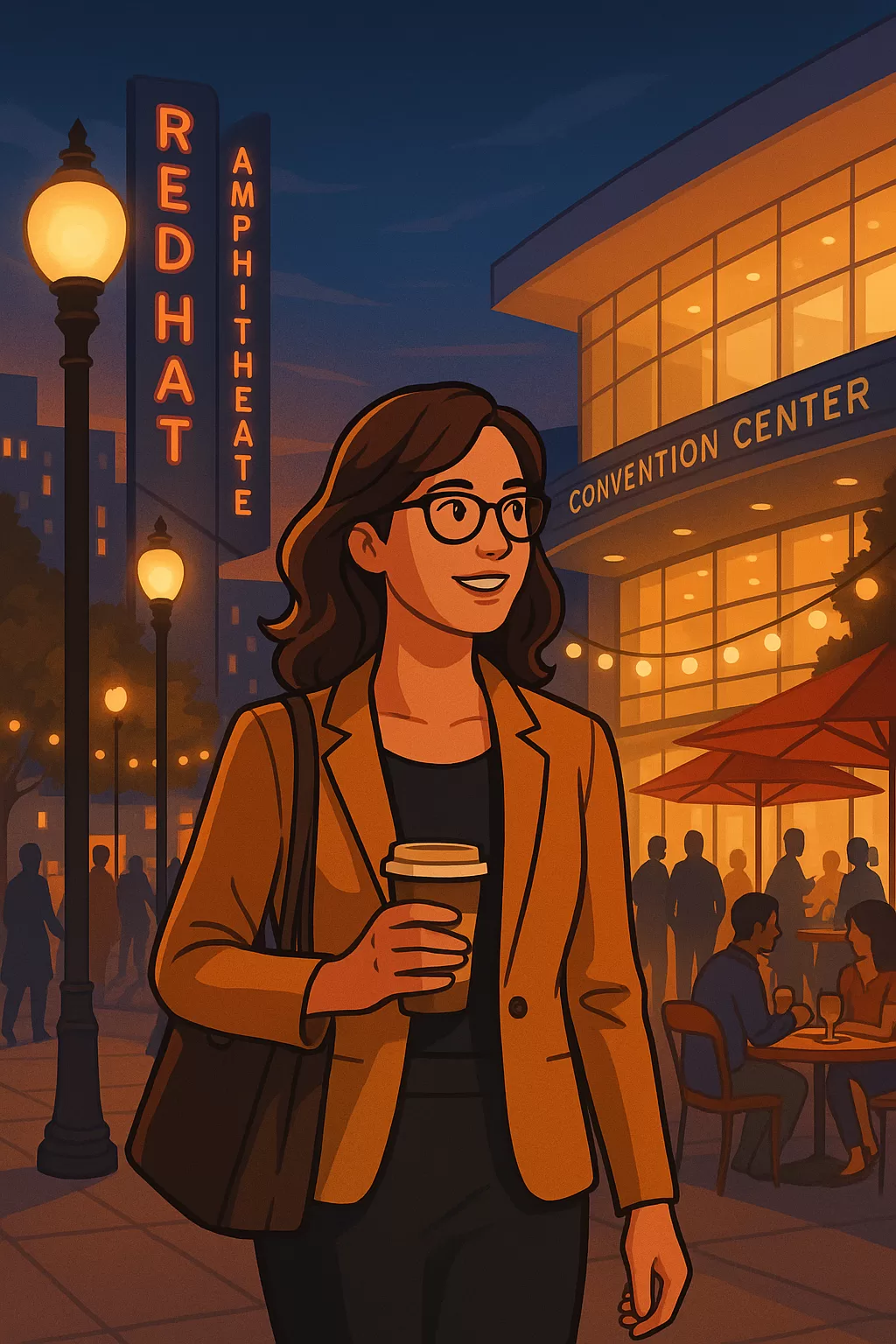
The lights don’t go out in downtown Raleigh—they just get warmer. Every night, and most weekends, downtown Raleigh draws thousands of people to its concert stages, food halls, street festivals, and hotel rooms. Some are locals. Many are not. But together, they form a critical force behind the economic vibrancy—and long-term investment upside—of the city’s core.
Tourism in Raleigh isn’t a side benefit. It’s a value driver.
A City That Draws a Crowd
Downtown Raleigh has become a year-round destination—not just for conferences and concerts, but for curated experiences that blend southern charm with modern culture.
🏨 Convention Business
- The Raleigh Convention Center welcomed over 400,000 attendees annually pre-pandemic and is on track to exceed those numbers with its upcoming expansion.
- The planned Omni Convention Center Hotel (550 rooms, full-service luxury) will add major hospitality capacity and attract larger-scale conferences.
🎶 Live Music & Cultural Events
- Red Hat Amphitheater draws over 100,000 concertgoers per season, with acts ranging from national tours to indie festivals.
- Hopscotch Music Festival and Dreamville Festival at Dix Park each draw tens of thousands of fans and fuel peak weekend demand for restaurants, bars, and short-term rentals.
🎨 Recurring Activation
- First Fridays, Night Markets, and City of Raleigh Museum events bring regular, predictable traffic to downtown blocks—even outside of peak tourist months.
According to the Downtown Raleigh Alliance, the local business economy sees measurable spikes in sales, foot traffic, and transit use during high-volume events.
How Tourism Supports Real Estate Returns
This kind of foot traffic doesn’t just sell tickets and beer—it supports the economic ecosystem that surrounds your real estate.
1. Restaurant and Retail Stability
Tourism helps sustain downtown’s hospitality economy, which in turn reduces retail turnover in mixed-use properties. Full patios and healthy gross sales mean tenants can pay rent—and renew.
2. Premium Rent Justification
Residents who live downtown enjoy what tourists pay to experience. When your tenants can walk to a nationally touring concert, art crawl, or rooftop bar, they’re more likely to stay—and pay a premium.
3. Short-Term Rental Demand
Some investors (or their tenants) capitalize on peak demand weeks with short-term rentals. Events like GalaxyCon, Animazement, and regional ACC basketball weekends spike hotel rates and AirBnB pricing alike.
4. Future Infrastructure = Future Upside
Convention-related infrastructure upgrades—like the Omni Hotel, Red Hat relocation, and improved pedestrian corridors—create lift not just in hospitality, but for adjacent residential and commercial assets.
Investor Takeaway:
Tourism may not show up in your underwriting spreadsheet, but it absolutely shows up in your NOI. A city that draws people in—and gives them something to do—supports stronger businesses, higher rents, and more walkable, investable neighborhoods.
Raleigh is no longer just a 9-to-5 city—it’s coming alive more and more after dark, with a warm, welcoming vibe that lasts all night.
Win Coleman, CCIM, is a graduate of East Carolina University where he received his bachelor’s degree in finance. He holds both North Carolina and South Carolina Real Estate Licenses and was awarded the prestigious CCIM (Certified Commercial Investment Member) designation in 2008.
Win served on the board of directors of The Triangle Apartment Association (TAA) where he co-chaired The Independent Rental Owner’s Council (IROC). He is a member of the International Council of Shopping Centers (ICSC), the Triangle Commercial Association of Realtors (TCAR) and the Raleigh Kiwanis Club.
While a specialist in site identification, evaluation and acquisition for investors and businesses, he also has extensive experience in brokerage, leasing, property management and investment sales.
Win assists in managing The Coleman Group, LLC, which owns a portfolio of investment properties, and he is a member of our acquisitions committee. He has lifelong experience and love for historic properties including the one he restored and where he resides in Historic Oakwood in Downtown Raleigh.